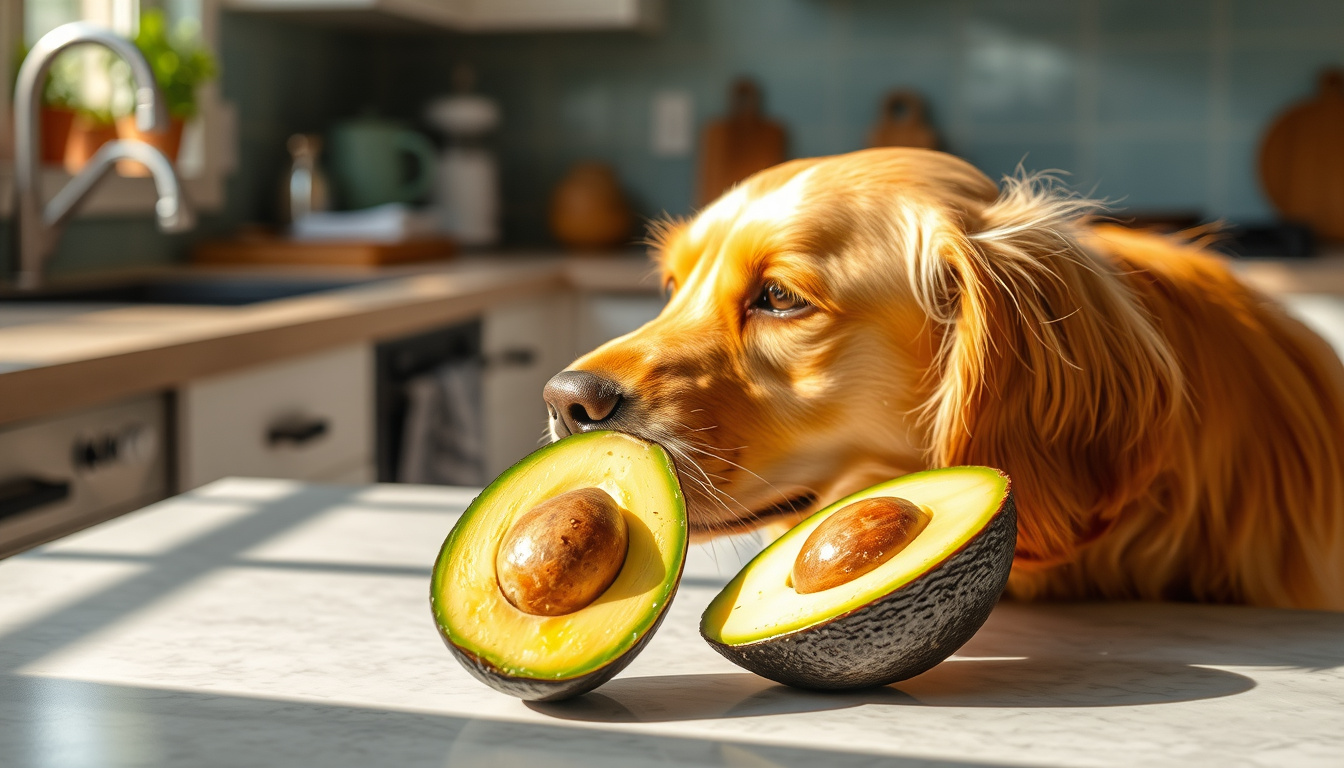
Avocados have become a staple in many households, but pet owners often wonder whether this creamy fruit belongs anywhere near their canine companions. The answer involves both caution and nuance—while avocado flesh is generally safe in small amounts, several parts of the fruit pose genuine risks to dogs.
The primary concern centers on persin, a natural fungicidal toxin found throughout the avocado plant. Dogs demonstrate greater tolerance to persin compared to birds or horses, yet the fruit’s pit, skin, and leaves still warrant careful handling. Understanding which parts are safe, which are hazardous, and how to respond if your dog ingests avocado can make the difference between a minor stomach upset and a veterinary emergency.
This guide examines the scientific evidence, expert recommendations, and practical steps every dog owner should know before sharing any avocado products with their pet.
Is Avocado Safe for Dogs?
The relationship between dogs and avocados is more complicated than a simple yes or no answer. The American Kennel Club notes that avocado flesh can be a healthy treat when offered properly, but only under specific conditions. The PetMD nutrition team confirms that the flesh contains very low amounts of persin, making it the safest part of the fruit for canine consumption.
However, safety depends entirely on which part of the avocado your dog encounters. The pit contains the highest concentration of persin and poses additional physical hazards. Avocado skin and leaves should always be kept away from dogs, as these contain elevated toxin levels that can cause gastrointestinal distress.
Avocado flesh is not classified as toxic to dogs, but the pit, skin, and leaves contain significant persin concentrations that warrant avoidance. Always remove these parts entirely before offering any avocado to your pet.
The Role of Persin Toxin
Persin is a naturally occurring fungicidal compound produced by avocado trees as a defense mechanism against fungal threats. According to AKC veterinary experts, this toxin affects different species in vastly different ways. Birds and horses are extremely sensitive to persin and can experience severe, potentially fatal reactions from even small exposures. Dogs, by contrast, demonstrate considerably higher tolerance levels.
Research indicates that a dog would need to consume relatively large quantities of persin-containing material to reach toxic thresholds. The PetMD veterinary team clarifies that while persin can still cause mild stomach upset in some individual dogs, outright poisoning from avocado flesh alone remains uncommon. The avocado flesh itself contains negligible persin amounts, which explains why many veterinarians consider occasional small servings relatively safe for healthy adult dogs.
“Avocado flesh can be a healthy, tasty treat for dogs, but only when offered safely and sparingly,” says Dr. Michael Hyder, DVM, Medical Director of VEG ER for Pets. This professional endorsement underscores that moderation and preparation methods matter significantly when sharing avocado with your dog.
Which Parts of Avocado Are Dangerous for Dogs?
Avocados consist of multiple components, each presenting different risk profiles for canine consumption. The ASPCA Animal Poison Control Center lists avocado among the plants requiring caution around pets, though the organization emphasizes that different parts carry different danger levels.
Avocado Pit Risks
The avocado pit ranks among the most dangerous components, though not primarily due to persin toxicity. The AKC experts identify the pit as a serious choking hazard, particularly for smaller dog breeds. If swallowed whole or in fragments, the pit can become lodged in the intestines, causing a potentially life-threatening blockage.
Dr. Hyder cautions that a swallowed avocado seed “can become a medical emergency requiring surgery.” The dense, spherical shape of the pit makes it especially treacherous—it can easily become stuck in the esophagus, stomach, or intestinal tract. Unlike smaller objects that might pass naturally, avocado pits often require surgical intervention once ingestion has occurred.
Skin and Leaves Dangers
Avocado skin concentrates higher persin levels than the flesh, making it the primary source of toxin exposure if a dog chews or swallows it. The PetMD veterinary team confirms that the skin contains enough persin to potentially cause gastrointestinal upset even in dogs with otherwise good tolerance.
Avocado leaves, commonly found in home gardens where avocado trees are planted, carry the highest persin concentration of any part of the plant. VCA Animal Hospitals warns that dogs who access avocado trees or consume fallen leaves face increased risk of persin-related symptoms.
Flesh Safety
The green flesh most people recognize as avocado is the part most commonly discussed in terms of canine safety. AKC veterinary experts confirm that avocado flesh contains minimal persin and can be offered to dogs as an occasional treat, provided all skin and pit material is completely removed.
However, even the safe flesh presents secondary concerns. Avocados are notably high in fat content, which can contribute to weight gain and, in dogs with predisposing conditions, potentially trigger pancreatitis. For this reason, portion control and frequency of offering avocado flesh should remain conservative.
Never allow your dog access to avocado pits, skin, or leaves. While flesh in moderation may be safe, the other components carry substantially higher risks of toxicity or mechanical injury.
How Much Avocado Can Dogs Safely Eat?
Determining appropriate avocado quantities for dogs requires balancing potential benefits against known risks. The FDA Animal and Veterinary division provides general guidance that pet treats should constitute no more than 10% of a dog’s daily caloric intake, a principle that applies directly to avocado servings.
Since avocado is calorie-dense and high in fat, most veterinary sources recommend keeping servings small and infrequent. The American Veterinary Medical Association suggests treating any new food introduction—including avocado—as an experiment requiring careful observation for adverse reactions.
Portion Guidelines by Dog Size
Safe portion recommendations vary considerably based on your dog’s size, weight, and overall health status. For small breeds under 20 pounds, a teaspoon-sized amount of mashed avocado flesh represents an appropriate maximum serving. Medium breeds between 20 and 60 pounds might tolerate one to two tablespoons per serving, offered no more than once or twice weekly.
Large breeds exceeding 60 pounds could potentially handle slightly larger servings—up to several tablespoons—but should still receive avocado only as an occasional treat rather than a dietary staple. Dogs with pre-existing conditions including pancreatitis, obesity, or digestive sensitivities should avoid avocado entirely unless explicitly approved by their treating veterinarian.
When offering avocado flesh, ensure it is plain with no added salt, seasonings, oils, or other ingredients. Remove every trace of skin and pit, cut the flesh into small manageable pieces or mash it thoroughly, and introduce it gradually to monitor for any adverse reactions.
What If My Dog Ate Avocado?
Discovering that your dog has consumed avocado can trigger anxiety, but appropriate response depends on what specific part was eaten and the quantity involved. The PetMD veterinary team outlines clear guidance for different scenarios that dog owners may encounter.
If your dog ingested only a small amount of avocado flesh, monitoring for symptoms over the next 24 to 48 hours typically suffices. However, if pit, skin, or leaf consumption is suspected, contacting your veterinarian immediately remains the recommended course of action regardless of apparent symptoms.
Symptoms to Watch For
Gastrointestinal signs typically appear within 2 to 24 hours following avocado consumption. According to PetMD, the signs most commonly associated with avocado-related distress include vomiting, diarrhea, abdominal discomfort or bloating, and lethargy. These symptoms reflect the body’s attempt to expel ingested material causing irritation.
In cases involving pit ingestion, additional symptoms may develop related to physical obstruction. Signs such as unproductive retching, inability to defecate, distended abdomen, or signs of pain when the abdomen is touched warrant immediate veterinary assessment.
When to Call the Vet
The AKC veterinary experts provide specific criteria for seeking emergency care. You should contact your veterinarian immediately if your dog consumed the pit, skin, or leaves of an avocado, appears to be choking on avocado material, or if you are uncertain about the quantity consumed.
Any signs of distress including persistent vomiting, bloody stool, extreme lethargy, or apparent pain should prompt professional evaluation. Dr. Hyder emphasizes that a swallowed avocado seed “can become a medical emergency requiring surgery”—underscoring why waiting to see if symptoms develop represents an inappropriate approach when pit ingestion is suspected.
Contact your veterinarian or a pet poison helpline immediately if you know or suspect your dog consumed an avocado pit. Do not induce vomiting unless specifically instructed to do so by a veterinary professional.
Can Dogs Eat Guacamole or Avocado Oil?
Many dog owners wonder whether prepared avocado products like guacamole or avocado oil present similar risks to whole avocado consumption. The PetMD nutrition team cautions that prepared forms often introduce additional hazards beyond the avocado itself.
Guacamole Hazards
Traditional guacamole contains ingredients that are significantly more dangerous to dogs than the avocado component alone. AKC experts specifically warn against feeding guacamole to dogs due to the presence of onions, garlic, and various seasonings that carry their own toxicity risks for canine metabolism.
Onions and garlic, whether raw, cooked, or powdered, can cause damage to red blood cells in dogs, potentially leading to anemia. Signs of onion or garlic toxicity may not appear for several days following ingestion and can include weakness, pale gums, elevated heart rate, and collapse in severe cases. The ASPCA recommends keeping all allium family vegetables away from pets.
Avocado Oil Considerations
Avocado oil presents a different risk profile than whole avocado flesh. According to AKC veterinary sources, avocado oil does not contain persin and therefore does not carry the same toxicity concerns as avocado skin or leaves. The PetMD team confirms this distinction, noting that the refining process removes persin compounds.
However, avocado oil remains extremely high in fat content. Even small amounts can contribute to weight gain or potentially trigger pancreatitis in susceptible dogs. If your dog accidentally licks a small quantity of avocado oil from a surface, harmful effects are unlikely. However, intentionally adding avocado oil to your dog’s food or treats is not recommended, particularly for dogs with obesity, pancreatitis history, or digestive sensitivities.
Rather than sharing human foods containing avocado, consider offering dog-safe alternatives such as plain cooked vegetables, bite-sized fruit pieces without seeds or pits, or commercially prepared dog treats formulated for canine nutritional needs.
For more information on keeping your dog safe around common household foods, explore our Flat Iron Steak Guide and learn about Blackmores Fish Oil Benefits and Safety for pet nutrition considerations.
Summary
Avocado presents a nuanced case in canine nutrition—safe under specific circumstances yet carrying genuine risks when handled carelessly. The fruit’s flesh can serve as an occasional treat for healthy dogs when all pit, skin, and leaf material is meticulously removed, served plain, and limited to small quantities appropriate to your dog’s size. The persin toxin found in other avocado components can cause distress, while the pit’s physical dimensions create choking and obstruction hazards requiring emergency surgical intervention in some cases.
Prepared avocado products like guacamole introduce additional dangers from seasonings and alliums that are toxic to dogs. Avocado oil lacks persin but remains high in fat, warranting avoidance for dogs with pancreatitis or weight management concerns. When in doubt about whether avocado or any avocado-derived product is appropriate for your individual dog, consulting your veterinarian provides the most reliable guidance tailored to your pet’s specific health profile and dietary needs.
Frequently Asked Questions
Why is avocado potentially bad for dogs?
Avocado contains persin, a fungicidal toxin concentrated primarily in the pit, skin, and leaves. While dogs tolerate persin better than birds or horses, these parts can still cause gastrointestinal distress. The pit additionally poses choking and intestinal blockage risks.
Can puppies eat avocado?
Puppies have more sensitive digestive systems and greater susceptibility to dietary changes. Avocado flesh, if offered at all, should be given in very small quantities only after consulting with your veterinarian about your puppy’s specific nutritional requirements.
What are the symptoms of avocado poisoning in dogs?
Symptoms may include vomiting, diarrhea, abdominal discomfort, and lethargy. These typically appear within 2 to 24 hours after ingestion of persin-containing material. Signs of pit-related obstruction include inability to defecate, unproductive retching, and abdominal pain.
Is avocado toast safe for dogs?
Plain avocado on toast without seasonings, salt, or spreads may be offered in tiny amounts if all pit and skin are removed. However, most avocado toast preparations include ingredients like garlic, oil, or spices that are not appropriate for dogs.
How long does it take for symptoms to appear after a dog eats avocado?
Gastrointestinal symptoms typically develop within 2 to 24 hours following ingestion of persin-containing avocado material. Obstruction-related symptoms from pit ingestion may take longer to manifest as the object travels through the digestive tract.
Are some dog breeds more sensitive to avocado than others?
Individual sensitivity varies more than breed-specific reactions. Dogs with pre-existing conditions affecting digestion, pancreatitis history, or obesity should avoid avocado regardless of breed. Very small dogs face higher choking risks from pits.
What should I do if my dog ate an avocado pit?
Contact your veterinarian immediately or call a pet poison helpline. Do not induce vomiting unless specifically directed by a veterinary professional. Monitor for signs of obstruction including vomiting, inability to defecate, and abdominal pain.
Related stories





Liam O'Brien covers Australian politics and public affairs for Australian Insight.