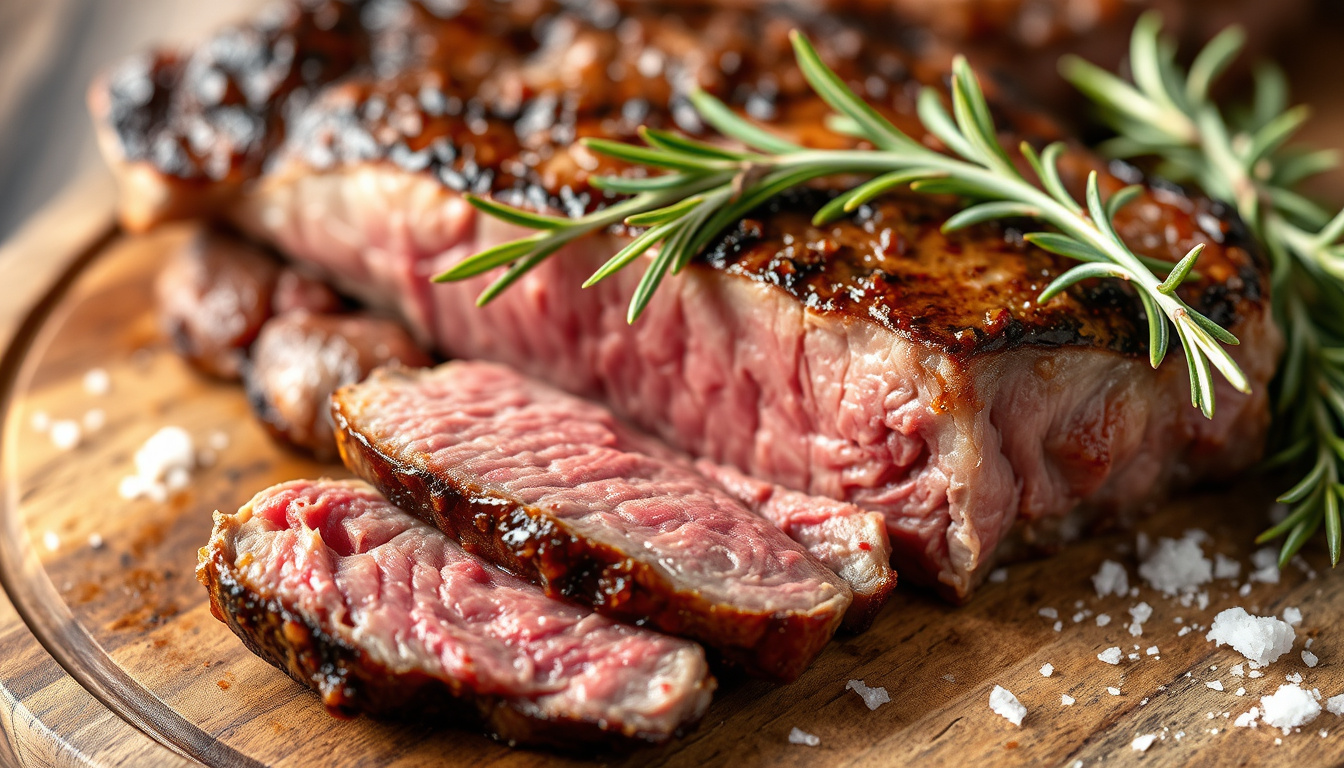

The flat iron steak has transformed how home cooks and professional chefs think about beef shoulder cuts. This relatively recent addition to the steak lineup earned its place through exceptional tenderness and rich, beefy flavor—qualities that once seemed unlikely from a chuck primal cut. Understanding what flat iron steak offers, where it comes from, and how to prepare it properly can elevate everyday meals into something memorable.
What Is Flat Iron Steak?
The flat iron steak is a tender beef cut sourced from the shoulder region, specifically the infraspinatus muscle located in the top blade area of the chuck primal. Butchers obtain this cut by removing a line of tough connective tissue—known as gristle—from the top blade roast. This process separates the muscle into two sinew-free steaks, each with the grain running vertically rather than across. The resulting cut combines the convenience of a boneless steak with flavor characteristics that rival more expensive options.
Key Things to Know About This Cut
- Derived from the infraspinatus muscle, which sees minimal exercise during the cow’s life
- Ranked as the second-most tender muscle on the entire animal
- Butchers separate the gristle layer like filleting fish skin, yielding two steaks per top blade roast
- The larger steak typically weighs around one pound; the smaller portion roughly half that
- Distinct from top blade steak, which retains the gristle and suits slow cooking methods
- Works excellently with game meats including elk and moose
- National Cattlemen’s Beef Association standardized its identification around 2002
| Property | Detail | Notes |
|---|---|---|
| Primal Cut | Chuck (Shoulder) | Part of the blade roast or chuck clod |
| Muscle | Infraspinatus | Second-most tender on the cow |
| Typical Weight | 8-16 oz per steak | Larger: ~1 lb; smaller: ~0.5 lb |
| Grain Direction | Vertical | Critical for proper slicing technique |
| UPC Codes | 1136 / 1144 | For top blade (flat iron precursors) |
| Standard ID | IMPS 1116D | USDA standardized specification |
How Do You Cook Flat Iron Steak?
High-heat, quick cooking produces the best results with flat iron steak. The cut’s tenderness and fat content make it forgiving enough for confident cooking while still rewarding attention to technique. Reaching medium-rare perfection typically takes just minutes on a hot surface, though an instant-read thermometer provides the most reliable guidance.
Grilling Flat Iron Steak
Direct high heat works best for grilling flat iron steaks. Place the meat over hot coals or a preheated gas grill, then flip only once during cooking. The fat marbling throughout the muscle provides natural moisture, so additional basting is unnecessary. For a typical 10-12 ounce steak, expect approximately 4-5 minutes per side for medium-rare results.
Pan Searing Instructions
A hot cast-iron skillet seasoned with a high-smoke-point oil delivers restaurant-quality sear marks. Heat the pan until it begins to smoke slightly, then add the oil and immediately place the seasoned steak. Cook for 3-5 minutes per side, adjusting based on thickness. Let the steak rest for five minutes after removing from heat to allow carryover cooking and juice redistribution.
Internal temperatures measured at removal (with 5-minute rest): Rare reaches 125°F, medium-rare hits 135°F, and medium achieves 145°F. Using a thermometer eliminates guesswork and ensures consistent results every time.
Marinating for Enhanced Flavor
While not required for tenderness, marinating elevates the flat iron’s natural beefy flavor. Acidic marinades containing soy sauce, vinegar, or citrus work well over 4-24 hours. The enzymes in these mixtures gently tenderize the muscle fibers while the salt penetrates to improve moisture retention. Always pat the steak dry before cooking to achieve proper browning.
Always slice flat iron steak against the grain after cooking. Identifying the grain direction before you begin cutting ensures you break up the muscle fibers properly, maximizing perceived tenderness. The vertical grain characteristic of flat iron makes this straightforward once you recognize the pattern.
Is Flat Iron Steak Tender and How Does It Compare to Other Cuts?
Flat iron steak ranks as the second-most tender muscle on the entire animal, placing it ahead of both flank and skirt steaks in laboratory tenderness testing. This ranking reflects the infraspinatus muscle’s location in the shoulder—a relatively inactive area that develops less connective tissue compared to muscles working harder during the cow’s life. The butchering process of removing the central gristle line further improves eating quality by eliminating the primary source of chewiness.
Comparing Tenderness
Flank and skirt steaks originate from the abdominal region and receive considerably more exercise during the animal’s movement. These cuts are leaner than flat iron but contain more tough connective tissue. Diners often need to marinate flank or skirt steaks heavily and slice them extremely thin against the grain to achieve acceptable tenderness. Flat iron’s natural marbling provides moisture and flavor while the muscle structure itself remains inherently tender.
Flavor Differences
The fat marbling in flat iron contributes richer, more luxurious beef flavor compared to leaner alternatives. Chuck primal cuts typically offer deeper, more complex taste profiles than loin-derived steaks. This makes flat iron particularly suitable for those who appreciate bold beefiness without the extreme leanness of some premium cuts. The shoulder origin also means slightly more collagen, which adds body to pan sauces made from the drippings.
Overcooking compromises flat iron’s tenderness advantage. Unlike tougher cuts that benefit from slow, moist cooking methods, flat iron dries out and toughens rapidly beyond medium-rare. Remove from heat slightly before reaching your target temperature, accounting for carryover cooking during the rest period.
Flat Iron Steak Recipe Ideas
Versatility defines flat iron steak’s role in the kitchen. Its manageable thickness and forgiving tenderness make it suitable for numerous preparations, from simple weeknight dinners to impressive weekend entertaining.
Classic Pan-Seared Flat Iron
Season generously with salt and pepper, optionally adding garlic powder or dried herbs. Heat cast-iron until smoking, add oil, then place the steak. Cook four minutes per side for medium-rare, remove and rest five minutes, then slice against the grain. The simplicity lets the quality of the meat and sear shine through.
Mushroom-Stuffed Flat Iron Roast
For a special occasion presentation, butterly the flat iron to lay flat, stuff with sautéed mushrooms and herbs, then roll and tie into a pinwheel roast. Slow roasting at lower temperatures allows the stuffing flavors to penetrate while maintaining medium-rare doneness throughout. This technique works particularly well when entertaining guests who appreciate showstopping presentations.
Serving Suggestions
Flat iron pairs well with bold accompaniments. Chimichurri sauce adds bright, herbaceous contrast. Garlic butter draped over sliced steak provides richness. Red wine such as Cabernet Sauvignon complements the beef’s depth. Roasted vegetables or classic barbecue sides round out the plate. Some traditionalists still serve it with accompaniments inspired by Central Texas-style barbecue establishments that helped establish chuck’s reputation for quality.
The History of Flat Iron Steak
Understanding how flat iron earned its place in the modern steak repertoire reveals an interesting intersection of food science and culinary innovation.
- 1990s: Food scientists began systematically testing beef muscles for tenderness, identifying the top blade’s infraspinatus as significantly underutilized despite favorable texture properties.
- Pre-2002: The top blade roast existed but typically got cut into steaks with the gristle intact or used for pot roasts, ground beef, and low-temperature cooking methods. The tough center tissue made vertical steaks difficult to eat.
- Around 2002: Researchers officially “discovered” the steak potential through tenderness testing. The innovative seaming technique—removing the gristle like filleting fish—transformed an overlooked cut into premium steaks. Packing houses adopted the method, and the name “flat iron” emerged, referencing both the flat shape and iron-like uniform appearance.
- 2000s onwards: The National Cattlemen’s Beef Association standardized identification and marketing, while restaurants began featuring flat iron on menus. Its affordability compared to ribeye or New York strip drove rapid adoption among chefs seeking value without sacrificing quality.
- 2010s to present: Flat iron achieved mainstream recognition in steakhouses and home kitchens alike, becoming a staple for those seeking premium taste at accessible prices.
What We Know and What Remains Unclear
| Established Information | Uncertain or Variable |
|---|---|
| Cut location: top blade of chuck primal | Exact marbling levels vary by individual animal and grade |
| Second-most tender muscle on the cow | Precise nutritional content depends on serving size and cut specifics |
| Origin around 2002 with standardized butchering | Regional naming variations in different markets |
| IMPS 1116D standardized identification | Ideal rest time may vary slightly by thickness |
| Best cooked to medium-rare via high heat | Exact yield per top blade roast can differ |
| Grain runs vertically when properly cut | Specific wine pairings lack formal study |
Understanding the Flat Iron Steak Cut
The flat iron’s emergence required rethinking traditional butchery practices. The top blade roast naturally contains a thin, hard gristle line running horizontally through its center. Early preparations either left this tissue intact—creating an unpleasant eating experience—or discarded the entire cut. The revolutionary insight involved recognizing that careful seaming could separate the roast into two valuable steaks, similar to how boning a salmon fillet removes the pin bones.
Professional butchers employ thin, flexible boning or fish fillet knives for this procedure. The technique demands precision: cutting too deep wastes meat, while leaving any gristle compromises quality. After removing external fat and sinew, the butcher follows the gristle layer carefully, separating the two portions. Edges then get squared off for uniform, attractive steaks. This labor accounts for part of the slightly higher per-pound cost compared to simpler cuts, though the finished product remains economical compared to true premium steaks.
Expert Sources on Flat Iron Steak
“The flat iron steak became one of the most significant beef innovations of recent decades. It demonstrated that tenderness isn’t limited to loin muscles and that smart butchering can unlock value from overlooked primal cuts.”
— Beef industry analysis from the Honest Food publication
“The infraspinatus muscle ranks second only to the tenderloin in tenderness testing. This scientific finding, combined with accessible pricing, made flat iron a game-changer for both restaurants and home cooks seeking quality without premium costs.”
— Traeger Grills cut guide documentation
Summary
Flat iron steak represents one of the most successful beef innovations of the past two decades. Sourced from the shoulder top blade’s infraspinatus muscle, it delivers remarkable tenderness—second only to the tenderloin—alongside rich, beefy flavor. The cut earns its place through the simple but revolutionary practice of removing the central gristle line, transforming an overlooked portion into premium steaks. Cooking requires only high heat and brief time, with medium-rare providing optimal results. For those seeking quality beef without premium prices, flat iron offers an accessible path to satisfying meals. Readers interested in expanding their kitchen knowledge might also explore guides on cast iron plant care for unrelated but valuable household insights, or learn about fish oil supplementation for complementary nutritional information.
Frequently Asked Questions
Can you cook flat iron steak in the oven?
While stovetop searing followed by oven finishing works for thicker cuts, flat iron’s thin profile cooks more evenly and with better results entirely on the stovetop or grill. High-heat methods preserve the tenderness that makes this cut special.
Is flat iron steak good for grilling?
Grilling produces excellent results with flat iron steak. Direct high heat creates appealing char marks while maintaining the interior’s juiciness. Simply season, place over hot coals or burners, and flip once for a perfect outcome.
How do you slice flat iron steak correctly?
Identify the vertical grain running the length of the steak, then cut perpendicular to it. Slicing against the grain breaks up muscle fibers for a tender bite, while cutting with the grain produces chewy results regardless of the cut’s natural tenderness.
What’s the difference between flat iron and top blade steak?
Top blade steak retains the central gristle line and suits braising or smoking. Flat iron steak has this gristle removed through seaming, creating tender, boneless steaks ideal for quick, high-heat cooking methods.
How long should flat iron steak rest after cooking?
Allow approximately five minutes of rest time after removing the steak from heat. This interval lets internal temperatures stabilize and allows muscle fibers to reabsorb juices that migrated toward the center during cooking.
Does flat iron steak need to be marinated?
Marinating enhances flavor but isn’t required for tenderness due to the cut’s natural softness. A brief 4-24 hour marination improves taste complexity, though simple seasoning with salt and pepper yields delicious results.
Related stories





Emma Nguyen is Managing Editor at Australian Insight, overseeing daily newsroom workflow, commissioning and headline review.