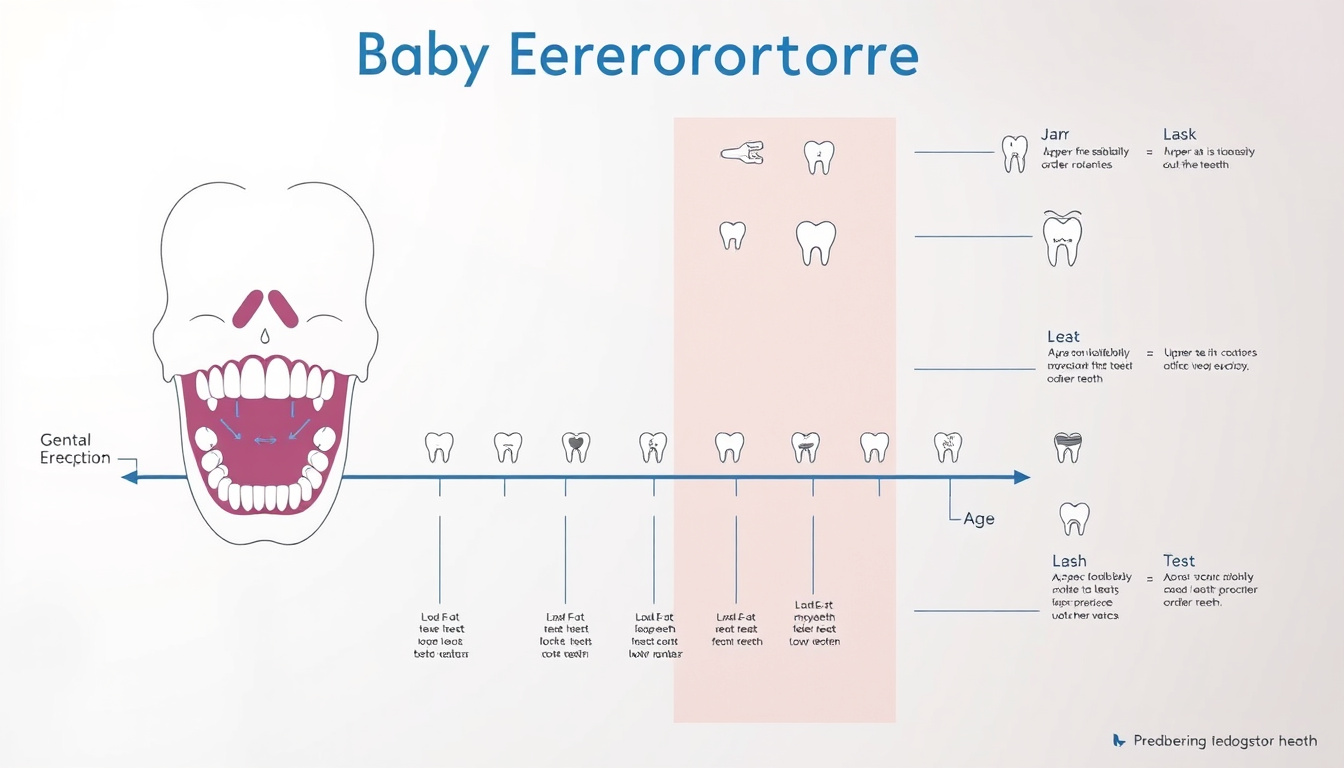
A baby teeth chart provides parents with a clear roadmap for understanding when primary teeth should appear and eventually fall out. These 20 small teeth, also called deciduous or milk teeth, begin emerging through the gums during the first year of life and continue developing until a complete set is in place by around three years of age. Tracking this progression helps caregivers monitor dental development and identify when professional evaluation may be warranted.
The eruption process follows a generally predictable pattern, though individual children may experience timing variations of several months. Pediatric dental associations, including the American Dental Association and the American Academy of Pediatrics, have established ranges that represent typical development. Understanding these guidelines can reduce parental anxiety and support early dental health habits.
This guide presents comprehensive information about baby teeth eruption and shedding timelines, backed by clinical research and authoritative dental sources. Parents seeking to understand their child’s dental development will find practical details about tooth order, age ranges, and warning signs that merit professional attention.
Baby Teeth Eruption Order and Timeline
Baby teeth eruption follows a recognizable sequence that begins at the front of the mouth and progresses toward the back. The lower central incisors typically emerge first, usually between 6 and 10 months of age. Upper teeth generally appear slightly later than their lower counterparts, creating a pattern where mandibular teeth precede their maxillary counterparts by a small margin.
The standard progression moves from front to back: central incisors, lateral incisors, first molars, canines, and second molars. Lower teeth often emerge 1-2 months before the corresponding upper teeth.
Baby Teeth Overview
Four key facts define the primary teeth timeline for most children:
- Total number of baby teeth: 20 (10 upper, 10 lower)
- Typical eruption start: 6-10 months of age
- Complete primary dentition achieved by approximately 3 years
- Shedding process begins around 6-7 years
Key Facts About Primary Teeth Development
- Individual variations of approximately 6 months before or after typical ranges fall within normal development
- Lower jaw teeth generally erupt before upper jaw teeth
- Incisors are typically the first teeth to emerge and the first to shed
- Some children may show no visible teeth until after their first birthday, which may still represent normal development
- Gum tenderness and fussiness commonly accompany the eruption process
- A dental consultation is recommended if no teeth have appeared by 18 months
Upper and Lower Baby Teeth Eruption Ages
| Tooth Type | Upper Eruption | Upper Shedding | Lower Eruption | Lower Shedding |
|---|---|---|---|---|
| Central Incisor | 8-12 months | 6-7 years | 6-10 months | 6-7 years |
| Lateral Incisor | 9-13 months | 7-8 years | 9-13 months | 7-8 years |
| Canine (Cuspid) | 16-22 months | 10-12 years | 17-23 months | 9-12 years |
| First Molar | 13-19 months | 9-11 years | 14-18 months | 9-11 years |
| Second Molar | 25-33 months | 10-12 years | 23-31 months | 10-12 years |
These ranges reflect consensus data from multiple pediatric dental sources, including the American Dental Association’s eruption charts and affiliated dental organizations. Individual children may show variations from these averages without indicating any developmental concern.
When Do Baby Teeth Fall Out?
The shedding process, also called exfoliation, typically begins around six to seven years of age. The same sequence that governed eruption applies to tooth loss, meaning the first teeth to emerge are generally the first to fall out. Lower central incisors usually loosen and shed before their upper counterparts, and this pattern continues throughout the transition to permanent dentition.
The Shedding Timeline
Baby teeth roots gradually dissolve through a process called root resorption, which allows the permanent tooth to push through from below. This natural mechanism typically progresses over several months before the tooth becomes noticeably loose. Children usually lose all 20 primary teeth between ages 6 and 12, with the process completing as the second molars shed.
- Lower central incisors shed first, around 6-7 years
- Upper central incisors follow shortly after
- Lateral incisors loosen between 7-8 years
- Canines and first molars shed during years 9-12
- Second molars complete the process between 10-12 years
Permanent Teeth Eruption
As baby teeth fall out, permanent teeth emerge to take their place. The first permanent molars typically appear behind the second molars around ages 6-7, before any primary teeth shed. These six-year molars do not replace any baby teeth and represent an important milestone in dental development.
The complete transition results in 32 permanent teeth by early adulthood, including the third molars or wisdom teeth that typically emerge between 17 and 21 years of age. For additional details on tracking these changes, parents can consult resources from pediatric dental providers.
How Many Baby Teeth and Normal Development Ranges
A complete primary dentition consists of exactly 20 teeth, divided equally between the upper and lower jaws. This set includes eight incisors, four canines, eight molars, with no premolars in the primary dentition. The smaller size and whiter appearance of baby teeth distinguish them from the permanent teeth that eventually replace them.
Understanding Variation in Tooth Development
The American Academy of Pediatrics notes that the first baby tooth may appear anytime between 4 and 15 months of age. A helpful mnemonic called the “7+4 rule” describes the expected progression: one tooth around 7 months, four teeth by 11 months, eight teeth by 15 months, twelve teeth by 19 months, sixteen teeth by 23 months, and all twenty teeth by 27 months.
Variations of approximately 6 months before or after typical ranges fall within normal development. Gender and ethnicity differences in eruption timing have not been consistently documented in clinical literature, and timelines are generally presented as applicable across populations.
When to Seek Professional Evaluation
While significant variation exists, the absence of any teeth by 18 months warrants professional evaluation. Premature or low birthweight infants may follow similar developmental patterns but benefit from individualized guidance from dental professionals familiar with their medical history.
Gum soreness commonly accompanies tooth eruption. Parents have found that a clean, cold cloth or refrigerated teething ring can provide comfort during these periods. More detailed information about managing teething discomfort is available in related parenting resources.
Printable Baby Teeth Charts and Visual Guides
Several reputable organizations provide downloadable and printable resources that allow parents to track their child’s dental development at home. These visual tools often present eruption sequences in chart or infographic formats that make the timeline easy to understand and follow.
Trusted Sources for Printable Charts
The American Dental Association offers an official eruption chart through its MouthHealthy initiative, available for download from their eruption charts page. Similarly, the ADA Foundation provides resources specifically designed for parents, including the primary tooth development guide.
Pediatric dental practices frequently maintain downloadable resources on their websites. These include eruption and shedding charts that match the clinical data presented in professional settings. The Groton Wellness dental services website and Camp Springs Kids pediatric dentistry both offer detailed visual timelines that parents may find useful.
State dental health programs and pediatric health organizations also provide educational materials. The Washington State Dental Health Services guide and the AAP Oral Health flip chart contain comprehensive information that healthcare providers commonly use when educating families about primary tooth development.
Understanding the Baby Teeth Development Timeline
The journey from the first tooth to a complete primary dentition spans approximately two to three years, while the transition to permanent teeth extends over nearly a decade. Understanding this extended timeline helps parents appreciate the gradual nature of dental development and the importance of sustained oral care habits throughout childhood.
Expected Milestones by Age
- Birth to 6 months: No visible teeth; gum development ongoing
- 6-12 months: First teeth typically emerge; central incisors appear
- 12-18 months: Lateral incisors and first molars emerge
- 18-24 months: Canines and remaining molars appear
- 2-3 years: Complete set of 20 baby teeth in place
- 6-7 years: First tooth loss begins; permanent molars emerge
- 12-14 years: Most baby teeth shed; majority of permanent teeth present
What Research Has Established Versus What Remains Unclear
| Established Information | Information That Remains Less Clear |
|---|---|
| 20 primary teeth total, 10 upper and 10 lower | Specific genetic factors affecting precise timing |
| General eruption sequence: incisors, molars, canines | Consistent differences between population groups |
| Shedding begins around age 6-7 | Role of environmental factors in timeline variation |
| Lower teeth typically erupt before upper teeth | Optimal interventions for significant delays |
| Variation of several months represents normal development | Predictive value of early eruption for later dental health |
Why Baby Teeth Timelines Matter
Primary teeth serve essential functions beyond simply enabling chewing. They maintain proper spacing for permanent teeth, guide the eruption of adult dentition, and support normal speech development. When baby teeth are lost prematurely or significantly delayed, orthodontic implications may arise that require professional intervention.
Early dental development also relates to overall childhood nutrition and health. Children experiencing prolonged discomfort from teething may have reduced appetite during critical growth periods. Establishing dental care habits early helps create positive associations with professional oral health that can persist into adulthood.
If no teeth have emerged by 18 months, or if significant deviations from typical development patterns are observed, scheduling a pediatric dental evaluation is recommended. Individual assessment accounts for factors that general guidelines cannot address.
What Parents Should Know About Tracking Development
Maintaining a simple record of tooth emergence and loss can provide valuable information for dental appointments. Noting the approximate dates when teeth appear or shed helps dental professionals assess whether development falls within expected ranges. Many parents find that photographic documentation supplemented with calendar notes provides an adequate personal record.
Resources from AAP oral health materials and dental health services guides offer structured approaches to monitoring dental development. These tools provide frameworks for recording observations that can be shared with healthcare providers.
Authoritative Sources on Baby Teeth Development
Multiple professional organizations have published guidelines regarding primary tooth development. The American Dental Association provides the foundational data used by most pediatric dental resources, with eruption charts available through the MouthHealthy program. The American Academy of Pediatrics emphasizes the importance of early dental evaluation and provides educational materials through its oral health initiative.
Baby teeth eruption typically begins around 6 months of age, with all 20 primary teeth generally in place by age 2.5 to 3 years. The shedding process begins around 6 years of age and continues until approximately 12 to 14 years.
— American Dental Association, MouthHealthy
While the first tooth may appear anytime between 4 and 15 months, a child should see a dentist if no teeth have emerged by 18 months of age.
— American Academy of Pediatrics, Oral Health Initiative
Pediatric dental practices and academic dental centers contribute additional clinical perspectives based on direct patient observation. Resources from these specialized providers offer practical insights that complement the broader guidelines from national organizations.
Summary
Baby teeth charts provide valuable frameworks for understanding primary tooth development, showing that most children develop 20 baby teeth beginning around 6 months of age and losing them between ages 6 and 12. The eruption sequence generally follows a predictable pattern from front to back, with lower teeth typically emerging before upper teeth. While variations of several months fall within normal ranges, the absence of any teeth by 18 months warrants professional evaluation. Parents seeking to track their child’s dental development can access printable resources from the ADA, AAP, and pediatric dental providers. For additional information about related childhood health topics, see the How Long Does a Cold Last guide.
Frequently Asked Questions
What if my baby’s teeth are delayed?
Some children do not show their first tooth until after 12 months of age, which may still represent normal development. However, if no teeth have appeared by 18 months, consulting a pediatric dentist is recommended to rule out underlying issues.
Do boys and girls have different teething timelines?
Clinical literature does not document consistent gender differences in baby teeth eruption or shedding timelines. Individual variation typically has a greater impact than gender.
How can I track my baby’s teeth eruption?
Recording the approximate dates when teeth emerge or shed provides useful information for dental appointments. Taking periodic photographs of your child’s teeth and noting observations in a simple calendar can create an adequate personal record.
Is teething pain normal?
Gum soreness and irritability commonly accompany tooth eruption. A clean, cold washcloth or refrigerated teething ring can provide comfort. Persistent or severe symptoms should be discussed with a healthcare provider.
When should my child first visit a dentist?
The American Academy of Pediatrics and American Dental Association recommend scheduling the first dental visit by the child’s first birthday or when the first tooth appears, whichever comes first.
What causes baby teeth to come in late?
Late eruption may relate to genetic factors, nutritional status, or underlying medical conditions. In many cases, no specific cause is identified, and teeth eventually emerge normally. Professional evaluation helps distinguish between normal variation and conditions requiring intervention.
Why do baby teeth matter if they fall out anyway?
Primary teeth maintain spacing for permanent teeth, support proper chewing and speech development, and help children develop positive oral hygiene habits. Premature loss or significant decay of baby teeth can affect the development of the permanent dentition.
Can adults still have baby teeth?
In some cases, individuals retain one or more primary teeth into adulthood if the corresponding permanent tooth failed to develop. This condition, called retained deciduous tooth, occurs in a small percentage of the population and may or may not require treatment depending on individual circumstances.
Related stories



Liam O'Brien covers Australian politics and public affairs for Australian Insight.